






How Often Should Pallet Racking Be Inspected?
Pallet racking should be monitored continuously by the people who use it, checked at regular recorded intervals by a trained person and examined by a technically competent expert at intervals of no more than 12 months.

How Often Should Pallet Racking Be Inspected?
Pallet racking should be monitored continuously by the people who use it, checked at regular recorded intervals by a trained person and examined by a technically competent expert at intervals of no more than 12 months. HSE guidance says the frequency of regular visual inspections should be set by the person responsible for racking safety after considering site risk, and weekly checks are a common starting point. Busy or high-impact warehouses may need expert inspections every six months, three months or another risk-based interval.
The annual inspection is not a substitute for reporting damage when it happens. A forklift strike, displaced beam, missing locking device or leaning upright can create an immediate risk. Operators must know how to isolate the area and report the problem without waiting for the next scheduled check.
Mowbray supplies, installs, repairs and inspects pallet racking across the UK. A practical inspection system combines everyday awareness, documented in-house checks and independent expert review.
The annual inspection is not a substitute for reporting damage when it happens. A forklift strike, displaced beam, missing locking device or leaning upright can create an immediate risk. Operators must know how to isolate the area and report the problem without waiting for the next scheduled check.
Mowbray supplies, installs, repairs and inspects pallet racking across the UK. A practical inspection system combines everyday awareness, documented in-house checks and independent expert review.
Regular visual inspections
A trained member of staff should carry out formal visual checks at a frequency determined by risk assessment. HSE guidance identifies weekly inspections, or another regular interval based on risk, with a written record. The inspection covers accessible racking from ground level and looks for impact damage, distortion, missing components, incorrect loads and unsafe use. The chosen frequency should reflect traffic levels, aisle width, driver experience, truck type, rack height, load profile and history of damage. A quiet archive warehouse may justify a different interval from a 24-hour distribution centre with fast-moving counterbalance trucks. The inspector should use a consistent route and checklist so every run and aisle is covered. Records need to show the date, area, findings, action owner and completion status.
Expert inspection
A technically competent person should inspect the racking at intervals not exceeding 12 months. The expert provides a written report and should have sufficient training, experience and knowledge of racking systems and damage assessment. SEMA recommends using a SEMA Approved Racking Inspector where appropriate. The maximum annual interval is not always enough. High-throughput sites, cold stores, narrow aisles, high-bay systems or warehouses with repeated impact damage may need six-monthly or more frequent expert inspections. The expert can advise on the appropriate programme after reviewing the operation.
A trained member of staff should carry out formal visual checks at a frequency determined by risk assessment. HSE guidance identifies weekly inspections, or another regular interval based on risk, with a written record. The inspection covers accessible racking from ground level and looks for impact damage, distortion, missing components, incorrect loads and unsafe use. The chosen frequency should reflect traffic levels, aisle width, driver experience, truck type, rack height, load profile and history of damage. A quiet archive warehouse may justify a different interval from a 24-hour distribution centre with fast-moving counterbalance trucks. The inspector should use a consistent route and checklist so every run and aisle is covered. Records need to show the date, area, findings, action owner and completion status.
Expert inspection
A technically competent person should inspect the racking at intervals not exceeding 12 months. The expert provides a written report and should have sufficient training, experience and knowledge of racking systems and damage assessment. SEMA recommends using a SEMA Approved Racking Inspector where appropriate. The maximum annual interval is not always enough. High-throughput sites, cold stores, narrow aisles, high-bay systems or warehouses with repeated impact damage may need six-monthly or more frequent expert inspections. The expert can advise on the appropriate programme after reviewing the operation.
Who is the Person Responsible for Racking Safety?
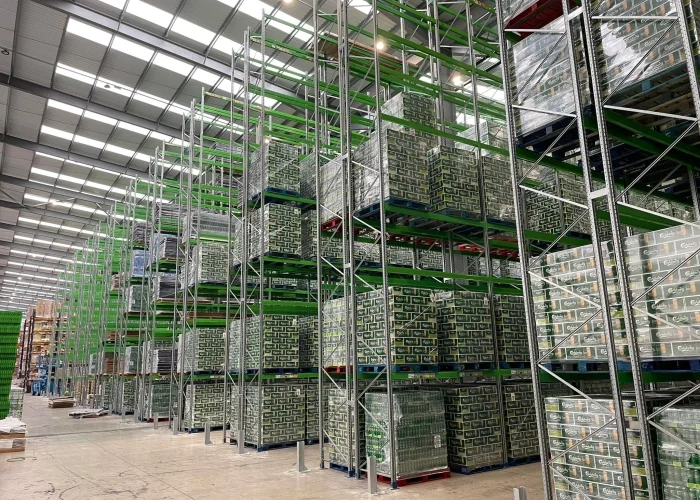
The Person Responsible for Racking Safety, often called the PRRS, is the nominated person who coordinates racking safety within the business. This role is not simply administrative. The PRRS makes sure inspections happen, damage is assessed, unsafe locations are controlled and repairs are completed.The PRRS should have authority to stop use of a location and access to design information, load notices and previous reports. They also need enough understanding to distinguish routine housekeeping from a structural concern that requires expert advice.
On larger sites, local staff may perform checks while one central PRRS manages the programme. Responsibilities should remain clear across shifts and departments.

What should a regular inspection cover?
The inspector should look at the racking system and the way it is being used. Typical checks include:bent, twisted, split or leaning upright frames;
damaged beams, connectors and welds;
missing or incorrectly fitted beam-locking devices;
loose, missing or damaged floor fixings;
damaged bracing, baseplates and column guards;
pallets that are broken, unsuitable or incorrectly positioned;
loads that exceed the displayed capacity or overhang dangerously;
altered beam levels that no longer match the approved configuration;
blocked aisles, emergency routes and pedestrian areas;
inadequate clearance around sprinklers, lights and the building;
corrosion, settlement or signs that the rack is out of plumb;
unauthorised attachments, repairs or mixed components.
Photographs help track change, but they do not replace measurements or competent judgement. The report should identify the exact bay and component so repair teams can act without searching the warehouse.
Damage classifications and immediate action
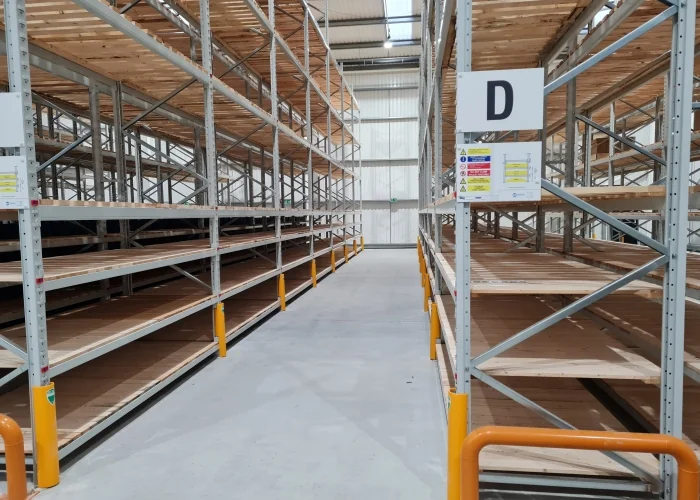
Racking inspections commonly use green, amber and red risk categories. Green indicates damage that is within surveillance limits but should be recorded and monitored. Amber identifies hazardous damage that requires action; affected locations are normally unloaded and not reloaded until repair. Red identifies very serious damage requiring immediate offloading and isolation. The categories must be applied by someone trained in the relevant assessment method. Colour labels alone are not a safe system if staff do not understand what they mean or if repairs remain open indefinitely. Where there is doubt, take the location out of use and seek competent advice. Continuing to load a visibly damaged frame to “see if it gets worse” is not an acceptable inspection strategy.Why annual inspection alone is insufficient
A rack can be damaged the day after the expert leaves. In a busy warehouse, waiting another year would leave the condition unmanaged. Regular checks shorten the time between an event and corrective action, while immediate reporting can reduce it to minutes. Annual reports also tend to identify patterns that day-to-day teams may miss. Repeated impact at the same end frame could indicate poor aisle geometry, inadequate protection, unsuitable trucks or weak traffic control. The corrective action should address the cause, not only replace the steel. A mature inspection programme therefore uses each level for a different purpose: operators detect events, trained staff manage routine condition and experts provide independent technical assessment.
How risk determines inspection frequency
The risk assessment should consider both likelihood and consequence. High racks carrying heavy loads have greater potential consequence. Narrow aisles, fast travel, poor visibility and frequent pallet movements increase likelihood. Damage history is one of the strongest indicators that the current controls may be inadequate. Review the interval when operations change. New trucks, altered beam levels, seasonal staff, extended shifts, heavier pallets or a new warehouse management process can change risk. A site that was suitable for monthly internal checks may need weekly checks after throughput doubles. Expert advice is useful when selecting the first schedule. The interval can then be refined using inspection findings and near-miss data.What records should be kept?
Keep inspection reports, photographs, repair orders, completion evidence and correspondence with the rack supplier or engineer. Maintain the original layout, load notices and system information so inspectors know the approved configuration. Records should show that red and amber risks were controlled, not merely identified. A defect register can track the location, category, date reported, temporary control, repair date and person who authorised return to service. This helps the PRRS prevent repeated deferral and demonstrates active management. Digital systems can improve trend analysis, but a clear paper process is better than software that staff do not use. The key is traceability from observation to safe closure.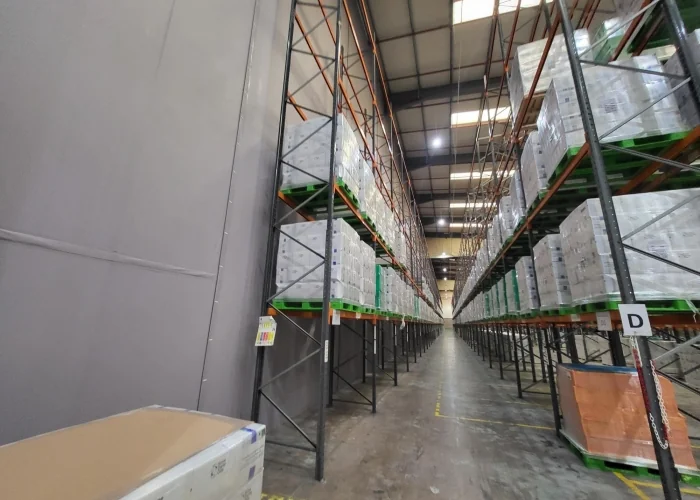
Repairs must use compatible, approved components
Damaged racking should be repaired or replaced in accordance with the system manufacturer or competent designer’s requirements. Heating, welding or straightening an upright on site can alter its properties and should not be improvised. Mixing beams, connectors or frames from different systems can create an assembly with no verified capacity. The repair area needs to be safely unloaded and isolated. After work, the system should be checked before locations are released. Load notices and layout records must be updated if the approved configuration changes. A repair programme should also examine protection. End-of-run barriers, upright guards, floor markings or traffic changes may reduce repeat damage.Training warehouse teams
Drivers and operatives do not need to become structural engineers, but they should recognise common warning signs and know the reporting route. Training should cover beam locks, damaged pallets, overload, impact, unsafe climbing and the importance of leaving approved beam levels unchanged. Supervisors should reinforce reporting rather than blame. If drivers fear punishment for every impact, damage is more likely to be concealed. The objective is to detect risk quickly and learn why the event occurred. The PRRS and regular visual inspectors need more detailed training, including the site’s inspection checklist, damage categories and escalation process.Arrange a pallet racking inspection
Mowbray can inspect warehouse racking, identify damage and provide repair or replacement recommendations. The service can also review load signage, protection and the way the system integrates with current operations.To discuss an inspection programme, call 01572 827206, contact the Northern Office on 0113 403 1160 or email info@mowbrayltd.co.uk.
FAQs
- Is an annual racking inspection a legal requirement?
HSE guidance calls for expert inspection by a technically competent person at intervals not exceeding 12 months. Employers also have broader duties to maintain work equipment and manage risk. The appropriate programme includes regular internal checks and immediate reporting as well as the expert inspection.
- Should racking be checked every week?
Weekly recorded visual inspections are a common HSE-aligned starting point, but the PRRS should set the interval from risk. A low-risk site may justify another schedule, while a high-throughput warehouse may need more frequent checks.
- Who can carry out the annual inspection?
The inspector should be technically competent in pallet racking and damage assessment. A SEMA Approved Racking Inspector provides recognised independent competence. The inspector should not be limited to a casual visual walk-through.
- Does new racking need inspection?
Newly installed racking should be checked and handed over before use, with load notices and documentation in place. It then enters the normal reporting and inspection programme. Installation quality does not prevent later impact or misuse.
- What should happen after a forklift hits the rack?
Stop using the affected locations, report the impact and arrange competent assessment. If there is visible instability or serious damage, isolate a wider area and unload only under a safe plan. Do not wait for the next weekly or annual inspection.
- Do pallet racking inspections include the pallets?
The structural report may focus on racking, but pallet condition and placement are essential to safe use. Regular checks should identify broken, unsuitable or badly positioned pallets and loads.
- How long should inspection records be kept?
Keep records long enough to demonstrate trends, repairs and safe management over the life of the system. Company policy, insurer requirements and legal advice may influence the retention period. At minimum, retain current reports and evidence that previous defects were closed.