






How Much Does Pallet Racking Cost to Install?
See realistic UK pallet racking installation budgets, the factors behind the price and what a safe, complete warehouse racking quotation should contain.

How Much Does Pallet Racking Cost to Install?
A professionally designed and installed pallet racking project can range from a few thousand pounds for a small run of standard adjustable pallet racking to tens or hundreds of thousands for a large, high-bay, VNA or drive-in warehouse. For early planning, a small 10-30 pallet-position scheme may fall broadly around £4,000-£12,000, a 50-150-position project around £12,000-£45,000, and larger engineered systems from roughly £40,000 upward. These are indicative 2026 UK budgeting bands, excluding VAT, and not fixed Mowbray prices.
The cost per bay or pallet position changes with frame height, beam levels, load, aisle system, floor conditions, protection and installation access. A quotation based only on the number of bays can therefore be misleading. The safest and most economical layout comes from surveying the building, stock and handling equipment together.
Mowbray designs, supplies, installs, repairs and inspects pallet racking across the UK. A site-specific proposal can show the equipment, labour, protection and compliance scope in one coordinated price.
The cost per bay or pallet position changes with frame height, beam levels, load, aisle system, floor conditions, protection and installation access. A quotation based only on the number of bays can therefore be misleading. The safest and most economical layout comes from surveying the building, stock and handling equipment together.
Mowbray designs, supplies, installs, repairs and inspects pallet racking across the UK. A site-specific proposal can show the equipment, labour, protection and compliance scope in one coordinated price.
What makes up the installed price?
Survey and warehouse layoutThe first cost is design time. A competent survey records clear height, slab condition, columns, doors, fire exits, services and truck routes. The designer then turns stock data and pallet dimensions into a layout showing aisles, beam levels, end protection and capacity. This work is not an optional drawing exercise. It determines how many usable pallet positions fit safely and whether the system works with the selected forklift. A layout that adds bays but creates tight turns or blocked exits can increase operational cost and damage risk.
Upright frames and beams
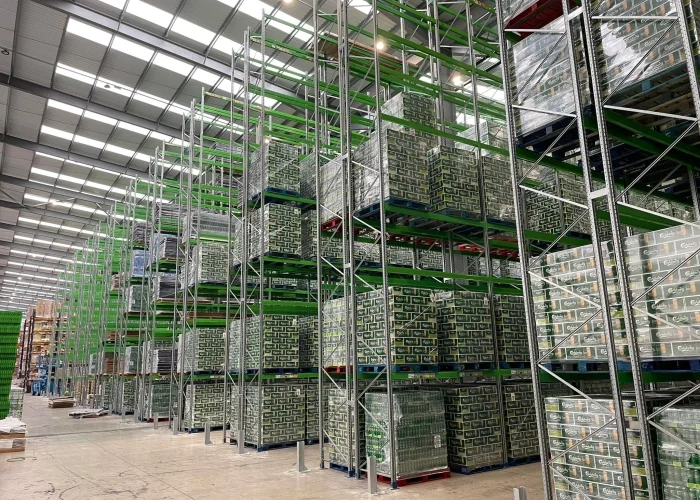
Steel content is a major part of the price. Taller frames, heavier loads and more beam levels require more material and may need stronger sections. Frame depth is based on pallet dimensions and support, while beam length and capacity depend on the number and weight of pallets per level. The quoted capacity must match the actual configuration. Moving a beam later can change frame loading, and mixing components from different systems can invalidate the design. The proposal should identify the manufacturer or system and provide load information.
Decking and pallet support
Some loads sit directly and safely on beams; others require pallet support bars, timber or mesh decking, drum cradles or other accessories. The choice depends on pallet quality, load dimensions, fire requirements and picking activity. Decking can add significant cost across many levels, but omitting required support is not a valid saving. The designer should explain where it is needed and why.
Floor fixings and slab conditions
Racking used with mechanical handling equipment is normally secured to the floor in accordance with the design and manufacturer’s instructions. Anchor type, quantity and depth depend on baseplates, rack geometry and the concrete substrate. Screed thickness, reinforcement, joints, underfloor services and damaged slab areas can complicate installation. A survey may identify the need for scanning, local repair, special anchors or a revised position. These items should be addressed before installation rather than added after drilling starts.
Protection and safety equipment
End-of-run barriers, upright protectors, guard rails, rack-backed pedestrian protection, tunnel protection and column guards may be required by the risk assessment. Load notices, aisle signs and identification labels are also part of a managed system. Protection adds to the purchase price but can reduce future repair, downtime and injury risk. The right measure targets likely impact points instead of fitting accessories without reference to traffic.
Some loads sit directly and safely on beams; others require pallet support bars, timber or mesh decking, drum cradles or other accessories. The choice depends on pallet quality, load dimensions, fire requirements and picking activity. Decking can add significant cost across many levels, but omitting required support is not a valid saving. The designer should explain where it is needed and why.
Floor fixings and slab conditions
Racking used with mechanical handling equipment is normally secured to the floor in accordance with the design and manufacturer’s instructions. Anchor type, quantity and depth depend on baseplates, rack geometry and the concrete substrate. Screed thickness, reinforcement, joints, underfloor services and damaged slab areas can complicate installation. A survey may identify the need for scanning, local repair, special anchors or a revised position. These items should be addressed before installation rather than added after drilling starts.
Protection and safety equipment
End-of-run barriers, upright protectors, guard rails, rack-backed pedestrian protection, tunnel protection and column guards may be required by the risk assessment. Load notices, aisle signs and identification labels are also part of a managed system. Protection adds to the purchase price but can reduce future repair, downtime and injury risk. The right measure targets likely impact points instead of fitting accessories without reference to traffic.

Installation labour and access equipment
Professional installers need suitable lifting equipment, tools and exclusion zones. Labour depends on rack height, number of components, site access, working hours and whether the building is empty. A live warehouse may require phased installation, weekend work or repeated movement of stock. Dismantling existing racking, disposing of damaged steel and making good the slab are separate activities that should be included when relevant. Offloading and storage of delivered components also need planning.
Inspections, handover and documentation
The completed system should be checked before use, with load notices and layout information supplied. Staff need to know the approved beam configuration and reporting process. The warehouse should then enter a programme of regular checks and expert inspections. A very low installation price may exclude these final steps. Safe handover is part of the project, not an optional administrative extra.
Professional installers need suitable lifting equipment, tools and exclusion zones. Labour depends on rack height, number of components, site access, working hours and whether the building is empty. A live warehouse may require phased installation, weekend work or repeated movement of stock. Dismantling existing racking, disposing of damaged steel and making good the slab are separate activities that should be included when relevant. Offloading and storage of delivered components also need planning.
Inspections, handover and documentation
The completed system should be checked before use, with load notices and layout information supplied. Staff need to know the approved beam configuration and reporting process. The warehouse should then enter a programme of regular checks and expert inspections. A very low installation price may exclude these final steps. Safe handover is part of the project, not an optional administrative extra.
Why system type changes the cost
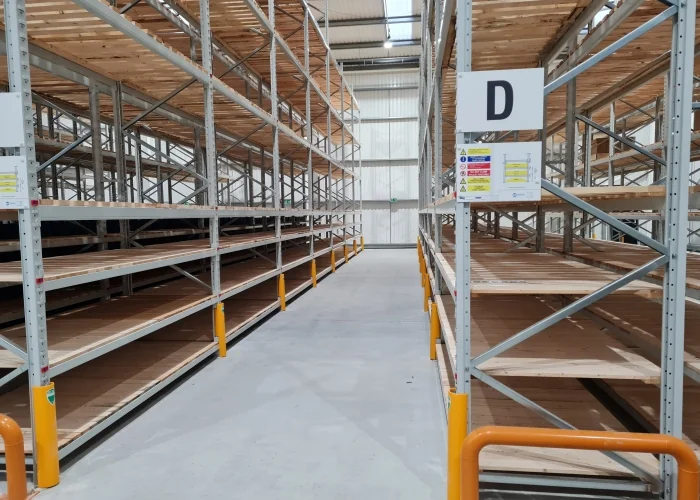
Adjustable pallet racking, or APR, is usually the most straightforward because every pallet is directly accessible and the system uses conventional aisles. It often provides the lowest entry cost and the greatest flexibility, although it uses more floor area for aisles. Very narrow aisle racking increases storage density but requires specialist trucks, tight layout coordination, floor-flatness checks and often guidance systems. Drive-in racking stores pallets several deep and uses heavier lane components, with a design based on pallet consistency and forklift entry. Push-back, mobile and live-storage systems introduce moving parts or rails and normally carry a higher cost per position. The most expensive system to buy is not necessarily the most expensive to operate. A dense system can avoid a building extension, while a cheaper layout can create more travel and require a larger warehouse. Compare total warehouse cost rather than steel alone.New versus used pallet racking
Used racking can reduce the material price where the system is traceable, compatible and suitable for the new design. It still needs competent inspection, calculations, correct connectors, fixings and load notices. Components with impact damage, corrosion, altered holes or unknown history should not be treated as equivalent to new steel. The savings can disappear if frames need modification, missing parts are difficult to source or the available sizes force an inefficient layout. Mixing of connector types is not acceptable by any manufacturer, unless the systems are stand alone to each other. A used system should be purchased as an engineered solution for the new site, not as a collection of beams and frames priced by weight. Depending on quantities, new can work out cheaper with larger installations.
The cost of changing an existing system
Adding beam levels, extending runs or relocating racking can be economical, but the original design must be reviewed. Extra levels increase frame loads. A new bay may change bracing or end protection. Relocation requires safe unloading, dismantling, component inspection, new floor fixings and updated signage. Repairs and alterations should use compatible approved parts. Site welding, heating or straightening damaged components is not a safe low-cost alternative unless specifically engineered and controlled. Ask for the change to be recorded on the layout so future inspectors know the current approved configuration. Always consult the supplier before making changes.How to compare quotations properly
Begin with the number of usable pallet positions and the load per level, then compare frame height, beam specification, accessories and protection. Check whether installation, delivery, access equipment, floor fixings, load notices and handover inspection are included. Review exclusions as carefully as inclusions. Slab repairs, sprinkler alterations, temporary stock moves, electrical work and waste disposal can create additional costs. Confirm whether the quotation assumes normal working hours and temperature along with an empty area and an empty area. Finally, compare the operational layout. A cheaper scheme with fewer positions or unsuitable aisles is not like-for-like. CAD drawings and capacity schedules make the commercial comparison clearer.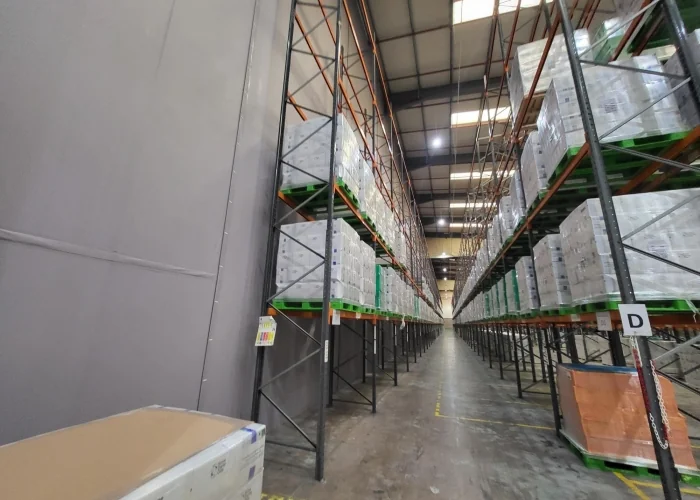
Ways to control the budget without reducing safety
Provide accurate pallet data, load weights and stock volumes at the beginning. Standardising pallet sizes and beam levels can reduce special components. Clear the installation area and agree a realistic programme so installers are not repeatedly stopped by live operations. Coordinate racking with sprinklers, lighting and mezzanine columns before orders are placed. Design impact protection from traffic risk rather than adding it after damage occurs. Where future expansion is likely, create a phased master layout so the first installation does not block later aisles. Avoid false savings from removing anchors, locks, signage or required support. These are basic parts of a safe system and are far less expensive than a collapse, enforcement action or unplanned shutdown.Total cost of ownership
Budget for expert inspections, repairs and driver training over the life of the system. Include energy and maintenance implications if specialist trucks or mobile equipment are required. A layout with poor visibility may generate more impact damage even if its initial capacity looks attractive. Racking also has opportunity value. More storage positions, shorter pick routes and better stock control can reduce external storage or handling labour. The investment case should connect the system to measurable warehouse performance.Request a pallet racking quotation
Mowbray can survey the warehouse, produce CAD layouts, recommend the appropriate system and provide a complete installation package with protection, signage and compliance support. The same team can coordinate mezzanine floors, shelving and office or warehouse fit-out where the project has several workstreams. Call 01572 827206, contact the Northern Office on 0113 403 1160 or email info@mowbrayltd.co.uk.FAQs
- Is pallet racking priced per bay or per pallet position?
Suppliers may use both measures. Price per pallet position is useful for capacity comparisons, while bay pricing reflects the actual frames and beams. Neither replaces a layout because aisle space, height and accessories affect the installed result.
- Does the price include installation?
Only if the quotation says so. Check delivery, offloading, fixings, access equipment, protection, signage and final inspection. Supply-only prices are not comparable with a turnkey installed system.
- Is tall racking much more expensive?
Taller frames use more steel and may require stronger sections, additional bracing, specialist installation equipment and different trucks. The higher cost can still be economical where it creates substantially more pallet positions within the same footprint.
- Can racking be installed on any concrete floor?
No. The slab, screed, joints, reinforcement and services must be suitable for the fixings and loads. A survey or engineering review may be needed before drilling and final layout.
- How much should I allow for repairs and inspections?
The amount depends on traffic and damage history. Include regular internal checks, expert inspection at least every 12 months and a repair contingency. Better protection and driver controls can reduce the long-term cost.
- Is used racking always cheaper?
Not after design and installation in every case. Used components need traceability, compatibility and acceptable condition. Missing parts, inefficient sizes and extra labour can remove the initial saving. Problems may arise at a later date with availability when adding to a used racking installation as it may not be the manufacturer's current system with no compatibility.